
Top 10 Music Production Tips for Beginners
Embarking on a music production journey can be both exciting and overwhelming. With countless tools, techniques, and theories to explore, it's easy to feel lost in the sea of information. Here are ten essential tips to help beginners build a strong foundation and avoid common pitfalls.
1. Start Simple, Master the Basics
Don't try to learn everything at once. Begin with a basic DAW (Digital Audio Workstation) like GarageBand (free) or Reaper (affordable). Learn recording, basic editing, and mixing before diving into advanced synthesis or mastering. A strong foundation makes advanced concepts much easier to grasp later.
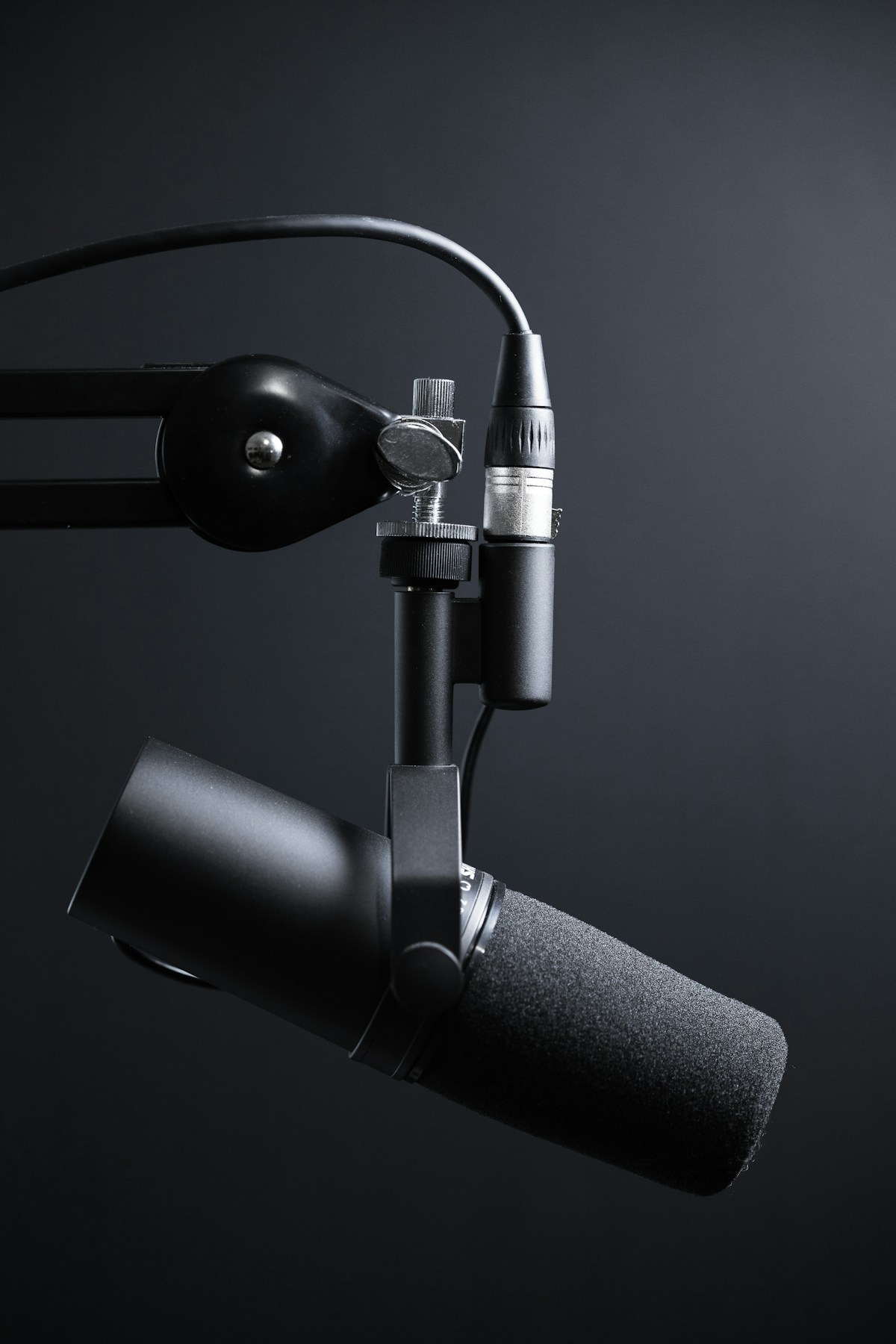
2. Invest in Monitoring, Not Just Equipment
Your ears are your most important tool. Invest in decent studio headphones or monitors before buying expensive synthesizers or plugins. You can't fix what you can't hear accurately. Proper monitoring helps you make better mixing decisions and trains your ear for quality sound.
3. Learn Basic Music Theory
You don't need to become a jazz virtuoso, but understanding scales, chords, and rhythm will dramatically improve your productions. Knowing why certain notes work together helps you create better melodies, harmonies, and basslines. Many free online resources cover the essentials.
4. Use Reference Tracks Religiously
Choose 2-3 professionally mixed songs in your genre and constantly compare your mixes to them. This trains your ear and helps you identify issues in your own work. Match levels when comparing - your mix should sound balanced next to professional references.
5. Less is Often More
Beginners tend to over-produce, adding too many layers or effects. Sometimes a simple drum beat, bassline, and vocal is more powerful than a crowded arrangement. Learn to appreciate space and simplicity in your mixes.
6. Learn Gain Staging Properly
Proper gain staging prevents distortion and ensures optimal signal flow throughout your mix. Keep individual track levels conservative (peaking around -18dB to -12dB) to leave headroom for processing and mastering. This is crucial for clean, professional-sounding mixes.
7. Finish What You Start
It's tempting to constantly start new projects when inspiration strikes, but finishing tracks teaches you the complete production process. Arrangement, mixing, and mastering are skills that only improve through completion. Aim to finish at least one track per month, even if it's simple.
8. Use Templates and Presets Wisely
Starting with a basic template (tracks, busses, routing) saves time, but don't rely on presets as crutches. Learn what each parameter does so you can create sounds intentionally rather than just scrolling through presets looking for magic.
9. Collaborate and Seek Feedback
Music production doesn't have to be solitary. Share works-in-progress with trusted friends or online communities. Constructive feedback helps you identify blind spots and improves your skills faster than working in isolation.
10. Enjoy the Process
Production should be fun, not frustrating. Celebrate small victories, embrace mistakes as learning opportunities, and remember why you started. The journey matters as much as the destination - if you're not enjoying the process, burnout is inevitable.
Remember that every producer started exactly where you are now. Consistency, patience, and willingness to learn are far more important than expensive gear or innate talent. Your unique voice will emerge through practice and persistence.