How to Start Your Own Online Radio Station
Starting an online radio station has never been more accessible than it is today. With streaming technology advances and affordable broadcasting tools, anyone with passion for music or talk content can create their own global audience. Here's your comprehensive guide to launching a successful internet radio station.
First, define your niche and target audience. What makes your station unique? Will you focus on a specific genre like Zimbabwean hip-hop, Amapiano, or jazz? Perhaps you'll specialize in talk shows, news, or educational content. Having a clear concept helps you stand out in the crowded online space and attract loyal listeners who share your interests.
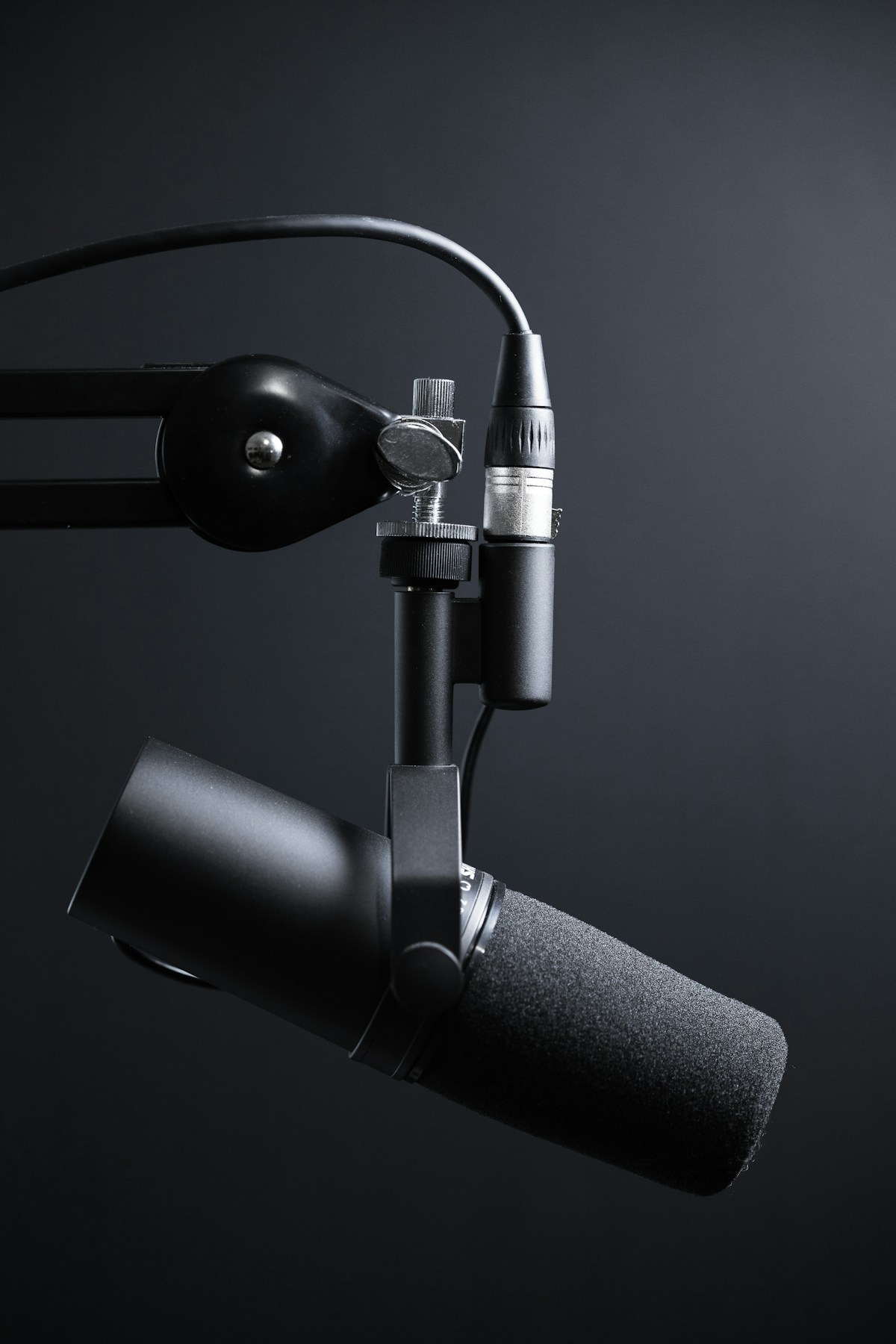
Next, invest in essential equipment. You don't need a professional studio to start - a good quality USB microphone ($50-150), headphones, and a reliable computer are sufficient for beginners. As you grow, consider adding a mixer, professional mic, and acoustic treatment for your space. Remember, content quality matters more than perfect audio initially.
Choose your broadcasting software. Options range from free solutions like Mixxx and OBS Studio to paid platforms like SAM Broadcaster or Radio.co. These tools handle audio mixing, streaming, and often include automation features for scheduling shows. Test your setup thoroughly before going live.
Select a reliable streaming host. Services like Icecast, Shoutcast, or cloud-based providers (StreamLicensing, RadioKing) offer different pricing tiers based on expected listener count and bandwidth needs. Many provide player widgets for your website and mobile app integration.
Legal considerations are crucial. Research music licensing requirements in your country - you'll likely need permissions from performance rights organizations (PROs) to play copyrighted music. Alternatively, focus on royalty-free music, local artists who grant direct permissions, or create original content.
Build your online presence. Create a professional website with an embedded player, schedule, and information about your shows. Leverage social media to promote your station, share behind-the-scenes content, and engage with listeners. Consistency in broadcasting schedule builds audience loyalty.
Finally, focus on growth and community. Encourage listener feedback, run contests, collaborate with local artists, and consider monetization through sponsorships, donations, or premium content as your audience grows. Remember that authentic connection with your listeners is what will keep them tuning in day after day.